Dreaming of a trip to Busan? The vibrant markets, beautiful beaches, and, of course, the delicious food are all waiting for you. But if you have Irritable Bowel Syndrome (IBS), the words "delicious food" might make you a little hesitant. A trip that should be full of joy shouldn't be overshadowed by worries about what you can eat.
This guide is here to help you, a traveler with IBS, enjoy the diverse and exciting food scene of Busan to the fullest.
FODMAP? A New Concept in Korea
If you have IBS, you've likely heard of the Low FODMAP diet. It’s a plan that helps reduce intestinal irritation by avoiding certain groups of carbohydrates. However, for most people in Korea, the concept of FODMAP is still unfamiliar. This can make it practically difficult to ask detailed questions at a restaurant about which FODMAP ingredients (like garlic, onions, or wheat) are in a dish, or to request they be removed.
Furthermore, Korean cuisine, especially in Busan, is often characterized by bold, spicy, and salty flavors, which can present an even greater challenge for travelers with IBS.
The Secret Behind "It's Not Spicy"
One of the most bewildering moments you might experience is when a restaurant owner assures you a dish isn't spicy, only for you to feel a fire ignite in your mouth after the first bite. Please know, this is never an attempt to deceive you.
Koreans, particularly people from Busan, are very accustomed to spicy food. They grow up eating kimchi and other spicy dishes, so their threshold for what they consider "spicy" is incredibly high. It’s crucial to remember that what is genuinely 'not spicy' to them can be quite painful for you. This is simply a cultural difference in taste perception, not ill intent.
Safe Choices, But What About Adventure?
Bibimbap and Gimbap can be relatively safe choices for travelers with IBS. They are primarily rice-based, and you can generally see the ingredients they contain. For bibimbap, you can ask for no gochujang (chili paste) or request to have just a tiny bit on the side.
But you've come all the way to Busan! You can't just eat bibimbap and gimbap every day, right? Tasting new food is one of the greatest joys of traveling.
Recommended Korean Dishes for IBS Travelers (with Warnings!)
Keeping in mind that everyone's IBS sensitivity is different, here are a few dishes you might want to try. Please pay close attention to the potential triggers and tips for each menu.
1. Clear Broth Soups (Seolleongtang, Gomtang)

- The Pros: This is a fantastic choice. The broth is made from long-simmered bones and meat without gochujang or chili powder, making it gentle and soothing. You can typically season it yourself with salt, pepper, and green onions.
- What to Watch Out For:
- Green Onions (Pa): These are high in FODMAPs. It's safest to ask, "Pa bbae-juseyo" (Please hold the green onions).
- Kimchi/Kkakdugi: These delicious side dishes are loaded with garlic, onion, and chili. It's best to avoid them and focus on the soup, meat, and rice.
2. Korean BBQ (Samgyeopsal, Moksal) - ⚠️ High-Fat Warning!

- The Pros: You control the cooking and seasoning, making it a very adaptable meal.
- 🚨 The Warning: High-fat food is a major trigger for IBS, as it can overstimulate gut motility and cause pain or diarrhea. Samgyeopsal (pork belly) is extremely fatty.
- Smarter Choices:
- Opt for Moksal (pork neck), which is a much leaner cut of pork.
- When you cook, use the provided scissors to trim off any large pieces of visible fat before eating.
- Skip the garlic, onions, and dipping sauces (ssamjang). Enjoy your meat with safe vegetables like lettuce.
3. Steamed Egg (Gyeran-jjim) - Not a Boiled Egg!
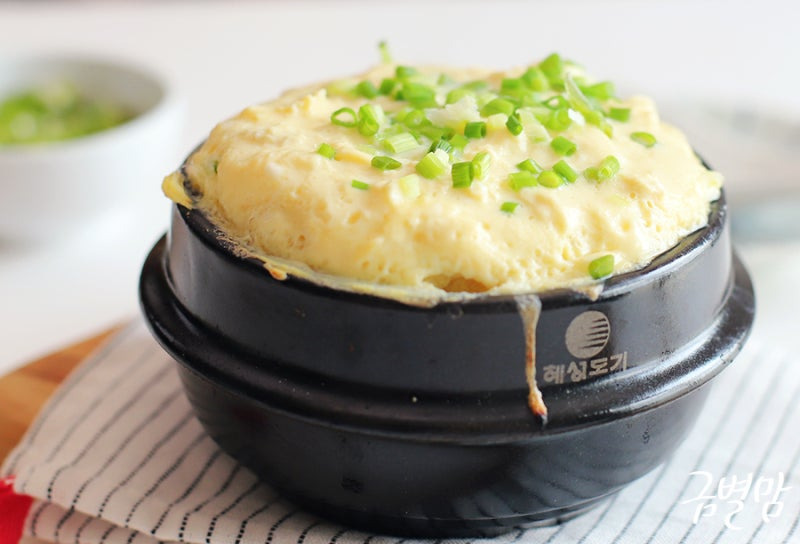
- The Pros: This is a perfect side dish for anyone with a sensitive gut. To be clear, this is very different from a simple boiled egg. It's a savory, fluffy, and soft steamed egg custard, often cooked and served in its own small pot. It is low-fat, generally low-FODMAP, and very easy to digest.
- What to Watch Out For: Almost nothing. It's one of the safest and most soothing items you can order.
4. Soy Sauce-Based Braised Chicken (Jjimdak)
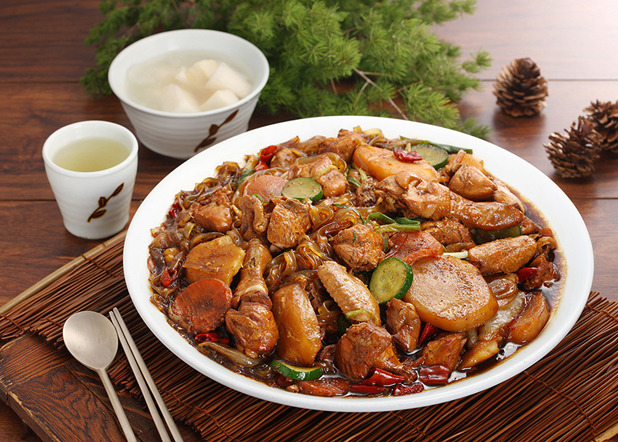
- The Pros: It uses a soy-sauce base, which is often less irritating than spicy gochujang-based stews.
- What to Watch Out For:
- 🚨 Spiciness: Be careful! Even though the base is soy sauce, many Jjimdak recipes include dried red chili peppers, making the dish very spicy. It is essential to ask, "An maep-ge hae-juseyo" (Please make it not spicy).
- Fat Content: The dish can be oily depending on the cut of chicken used. Try to eat the lean meat and avoid the skin or visible fat.
- High-FODMAP Vegetables: It almost always contains onions and minced garlic.
When You Need a Helping Hand, Don't Hesitate
Everyone has different trigger foods. A dish I recommend might be fine for one person but could be a problem for you. Navigating a menu in a foreign language, choosing a restaurant, and trying to explain your dietary needs can be stressful.
If this process feels overwhelming, I recommend getting help from FIT Assistant.
The FIT Assistant is not a tour guide who sticks to a fixed schedule. It's more like a personal assistant who helps you enjoy the places you want to go and the things you want to do. For example, they can help you find restaurants that suit your dietary needs or assist you in accurately ordering the menu items you want.
Don't let worries about food diminish the joy of your trip. When you need help, reach out to the FIT Assistant.
Visit the FIT Assistant: https://sites.google.com/mogang.ac/fit-assistant/home
Busan is a truly wonderful city. With a bit of information, smart choices, and sometimes a little help, I hope you can fully enjoy the tastes and sights of Busan without any IBS-related worries.
'Information' 카테고리의 다른 글
| Level Up Your Korean: Why 'Kokio' is Now the Ultimate Free Language App (0) | 2026.02.27 |
|---|---|
| 🐔 Meet Your New Obsession: Kokio Game (0) | 2025.12.01 |
| A Foreigner's Guide to the 2025 National Sports Festival in Busan! (0) | 2025.10.13 |
| Sangsaeng Payback explanation in English (0) | 2025.09.15 |